Hanging and finishing drywall is 65% labor. Board, screws, tape and compound are cheap and they cost the same everywhere; the three coats of mud and the sanding are what you are actually buying.
That ratio produces the second-widest state spread of any trade on these sites.
How the numbers were built
The national price. Hang, tape and finish to a level 4 finish runs about $2.40 per ft² of board in 2026, inside a market range of roughly $1.60 to $3.75, materials included.
The labor share. 65%.
Only that half is scaled, by the BLS mean annual wage for drywall and ceiling tile installers in each state against the U.S. mean of $63,600 — OEWS, May 2025, SOC 47-2081. Two jurisdictions have no published figure and are marked in the table; those rows fall back to the national number rather than guessing one.
All 51 states, 1,200 sq ft of board
Each state links to a page where you can set your own board area.
| State | Drywall and Ceiling Tile Installers mean pay | Labor factor | Typical total | Bid range |
|---|---|---|---|---|
| Alabama | $47,910 | 0.753 | $2,418 | $1,612 – $3,778 |
| Alaska | $68,130 | 1.071 | $3,013 | $2,009 – $4,708 |
| Arizona | $52,560 | 0.826 | $2,555 | $1,703 – $3,992 |
| Arkansas | $43,410 | 0.683 | $2,286 | $1,524 – $3,571 |
| California | $74,680 | 1.174 | $3,206 | $2,137 – $5,010 |
| Colorado | $61,940 | 0.974 | $2,831 | $1,887 – $4,424 |
| Connecticut | $61,000 | 0.959 | $2,803 | $1,869 – $4,380 |
| Delaware | $50,860 | 0.8 | $2,505 | $1,670 – $3,914 |
| District of Columbia | — (not published) | 1 | $2,880 | $1,920 – $4,500 |
| Florida | $48,900 | 0.769 | $2,447 | $1,632 – $3,824 |
| Georgia | $57,250 | 0.9 | $2,693 | $1,795 – $4,208 |
| Hawaii | $96,460 | 1.517 | $3,847 | $2,565 – $6,011 |
| Idaho | $48,240 | 0.758 | $2,428 | $1,619 – $3,794 |
| Illinois | $72,690 | 1.143 | $3,148 | $2,098 – $4,918 |
| Indiana | $54,380 | 0.855 | $2,609 | $1,739 – $4,076 |
| Iowa | $53,230 | 0.837 | $2,575 | $1,717 – $4,023 |
| Kansas | $45,520 | 0.716 | $2,348 | $1,565 – $3,668 |
| Kentucky | $48,100 | 0.756 | $2,424 | $1,616 – $3,787 |
| Louisiana | $48,340 | 0.76 | $2,431 | $1,621 – $3,798 |
| Maine | $59,170 | 0.93 | $2,750 | $1,833 – $4,296 |
| Maryland | $55,130 | 0.867 | $2,631 | $1,754 – $4,110 |
| Massachusetts | $68,220 | 1.073 | $3,016 | $2,011 – $4,712 |
| Michigan | $58,520 | 0.92 | $2,730 | $1,820 – $4,266 |
| Minnesota | $65,600 | 1.031 | $2,939 | $1,959 – $4,592 |
| Mississippi | $39,240 | 0.617 | $2,163 | $1,442 – $3,380 |
| Missouri | $67,200 | 1.057 | $2,986 | $1,991 – $4,666 |
| Montana | $59,910 | 0.942 | $2,771 | $1,848 – $4,330 |
| Nebraska | $51,260 | 0.806 | $2,517 | $1,678 – $3,932 |
| Nevada | $59,440 | 0.935 | $2,758 | $1,838 – $4,309 |
| New Hampshire | $67,190 | 1.056 | $2,986 | $1,990 – $4,665 |
| New Jersey | $81,280 | 1.278 | $3,400 | $2,267 – $5,313 |
| New Mexico | $57,140 | 0.898 | $2,690 | $1,793 – $4,203 |
| New York | $68,930 | 1.084 | $3,037 | $2,025 – $4,745 |
| North Carolina | $45,060 | 0.708 | $2,334 | $1,556 – $3,647 |
| North Dakota | $46,870 | 0.737 | $2,388 | $1,592 – $3,731 |
| Ohio | $61,060 | 0.96 | $2,805 | $1,870 – $4,383 |
| Oklahoma | $46,120 | 0.725 | $2,365 | $1,577 – $3,696 |
| Oregon | $75,770 | 1.191 | $3,238 | $2,159 – $5,060 |
| Pennsylvania | $61,980 | 0.975 | $2,832 | $1,888 – $4,425 |
| Rhode Island | $57,360 | 0.902 | $2,696 | $1,798 – $4,213 |
| South Carolina | $48,410 | 0.761 | $2,433 | $1,622 – $3,801 |
| South Dakota | $50,750 | 0.798 | $2,502 | $1,668 – $3,909 |
| Tennessee | $49,710 | 0.782 | $2,471 | $1,647 – $3,861 |
| Texas | $49,040 | 0.771 | $2,451 | $1,634 – $3,830 |
| Utah | $52,720 | 0.829 | $2,560 | $1,707 – $4,000 |
| Vermont | $57,080 | 0.897 | $2,688 | $1,792 – $4,200 |
| Virginia | $55,310 | 0.87 | $2,636 | $1,757 – $4,119 |
| Washington | $80,450 | 1.265 | $3,376 | $2,251 – $5,275 |
| West Virginia | — (not published) | 1 | $2,880 | $1,920 – $4,500 |
| Wisconsin | $60,020 | 0.944 | $2,775 | $1,850 – $4,335 |
| Wyoming | $46,820 | 0.736 | $2,386 | $1,591 – $3,728 |
Read the top of this table carefully
1.78× top to bottom — Hawaii at $3,847 against Mississippi at $2,163. That is the widest spread of any trade here apart from painting, and for the same reason: when the material is nearly free, the price is the labor market.
The names below Hawaii are worth noting: New Jersey, Washington, Oregon and California. Drywall finishing is a union trade in those markets in a way it is not across most of the South, and the wage data shows it plainly.
Board area is not room area, and this is where estimates go wrong
The single most common mistake in a drywall budget is pricing off floor area.
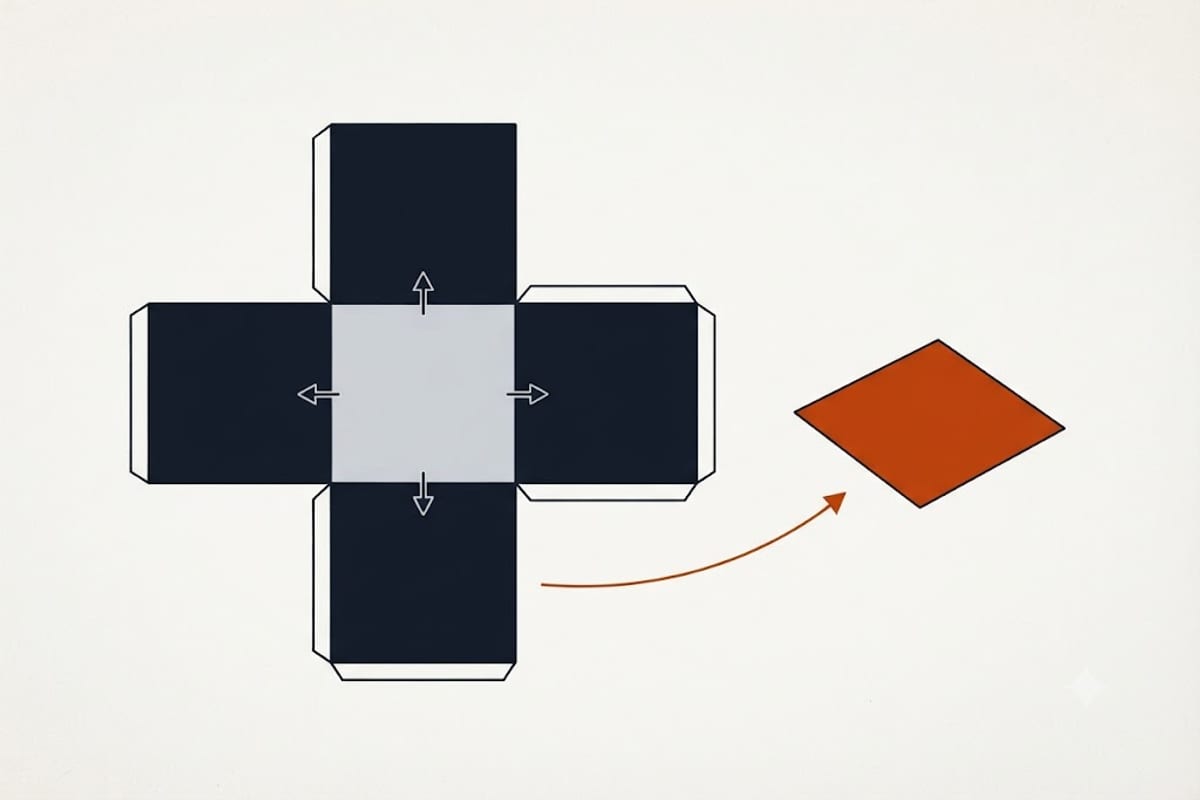
A 12 × 12 room with an 8-foot ceiling is 144 ft² of floor and about 528 ft² of board — four walls plus the ceiling. That is 3.7 times the floor number. Quotes are per square foot of board, so using floor area understates the job by nearly four times.
Work out your real board area first — see how many sheets of drywall do I need and how to deduct doors and windows — then come back to the table.
Finish level explains most of the gap between two bids
Level 4 is the standard assumed above: three coats over tape, sanded, ready for flat or eggshell paint.
Level 5 adds a skim coat across the entire surface. It is a separate operation over every square foot, not a touch-up, and it is what a wall under gloss paint or raking window light actually needs to look right. It is also not optional in those conditions — the joints will telegraph.
When two bids on the same house differ by a third, the usual explanation is that one quoted level 4 and one quoted level 5, and nobody said so out loud. See level 4 vs level 5 drywall finish.
What is not in the price
Primer and paint. Texture, if you want it. Demolition and disposal of the old board, which on a remodel is its own line and is heavier than people expect — see how much does a sheet of drywall weigh.
Also not in it: ceilings priced as a separate rate. Ceiling work is slower than wall work, and many crews carry a premium for it — see drywall screw spacing for ceilings for why the fastening schedule is different up there too.
How to use this
Get your board area, open your state page above, set the real number, and use the range as a bid check. Then ask two questions before comparing totals: what finish level, and are ceilings at the same rate.