Joint Compound
Mud by coat and by finish level — three coats is not one number.
Joint compound is sold under four names that are not interchangeable, and picking the wrong one costs a day of drying time or a joint that cracks in the first heating season.
The four
All-purpose — the default. Bonds well, sands acceptably, works for every coat. Heavier than the alternatives and slower to dry.
Taping compound — stronger bond, poorer sanding. For the bedding coat only, where strength matters and nobody sands.
Topping compound — weak bond, sands beautifully. Final coat only. Bed tape in topping and the tape will let go.
Lightweight all-purpose — about a third lighter, dries faster, sands easily, shrinks less. It has become the general-purpose answer for hand finishing and it is what most of a house should be finished in. It is not a bedding compound for butt joints under stress.
Then there is setting-type — "hot mud", sold as a powder with a number on the bag that is its working time in minutes. It cures chemically rather than by drying, so it works in a cold damp basement where premixed compound will sit wet for two days. It is unforgiving: 20-minute mud is unusable at minute 25, and it barely sands.
The professional pattern is setting-type for the bed coat, lightweight all-purpose for the fill, topping for the skim.
How much
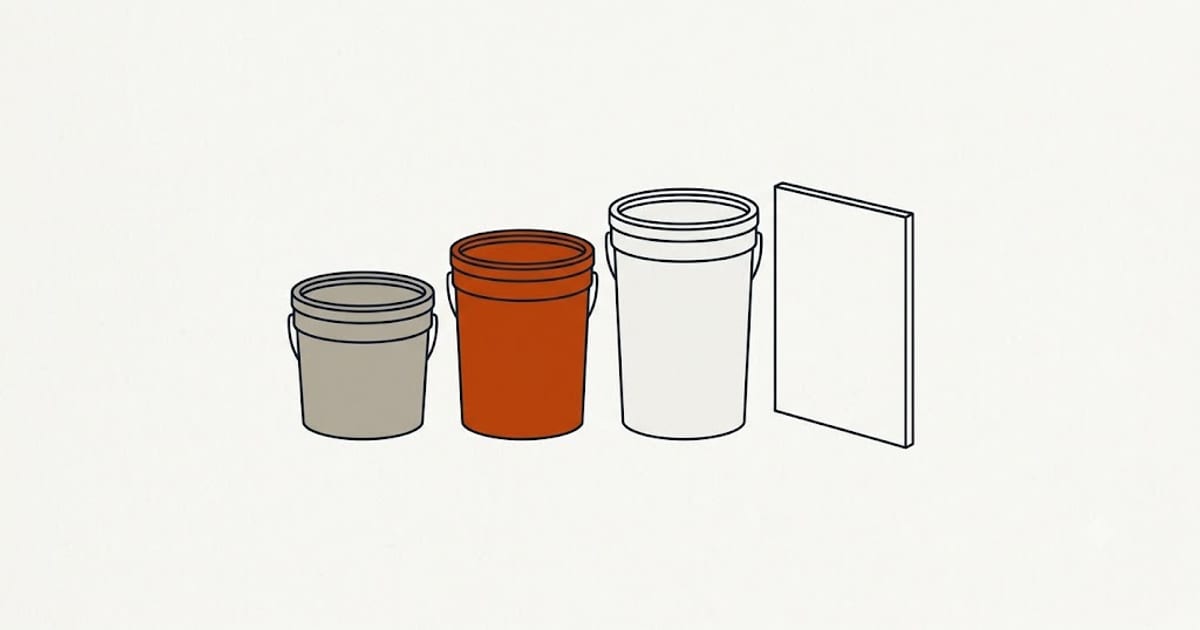
Roughly 0.5 to 0.7 gallons of compound per 100 ft² of drywall for a level 4 finish across three coats. A 4.5 gallon bucket covers about 700–900 ft², or 22–28 sheets.
That figure moves with the number of joints, not the area. A room broken up by windows, doors and short walls has far more linear feet of joint per square foot of board than an open ceiling, and can run 50% over.
Tape
Paper tape is stronger in tension, which is what a butt joint needs, and it is the only correct choice for inside corners because it folds on a crease. It must be bedded in wet compound; laid dry it blisters.
Mesh tape is self-adhesive and faster, has no crease, and is weaker. Used with all-purpose compound over a butt joint it is the standard cause of a hairline crack down a wall two winters later. Mesh belongs with setting-type compound, on flat seams, and nowhere near an inside corner.
About 370 linear feet of tape per 1,000 ft² of board at 16 in stud spacing.
What decides the schedule
Drying, not working. All-purpose needs 24 hours between coats at 70 °F and 50% humidity, and considerably longer in a cold house. Coating over compound that is still dark gray in the middle of the joint is what makes a joint shrink after paint.
5 articles
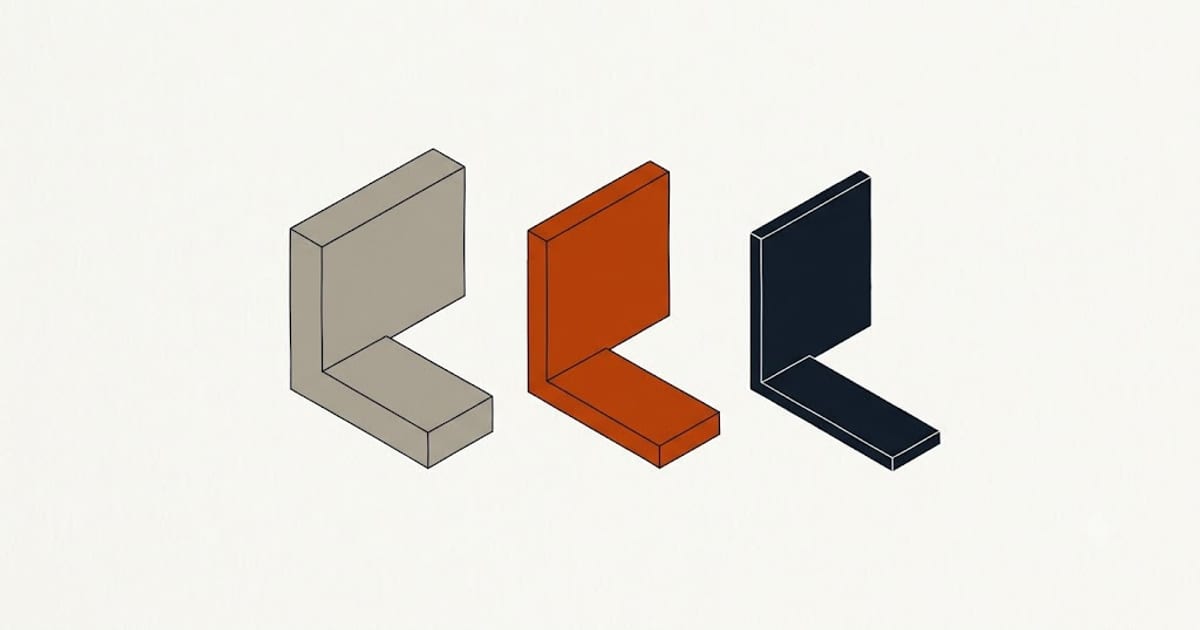 Corner Bead — Metal, Paper-Faced or Vinyl, and Where Each Fails
A cracked corner is almost never the drywall. It is the bead, and which bead was used decides which way it failed.
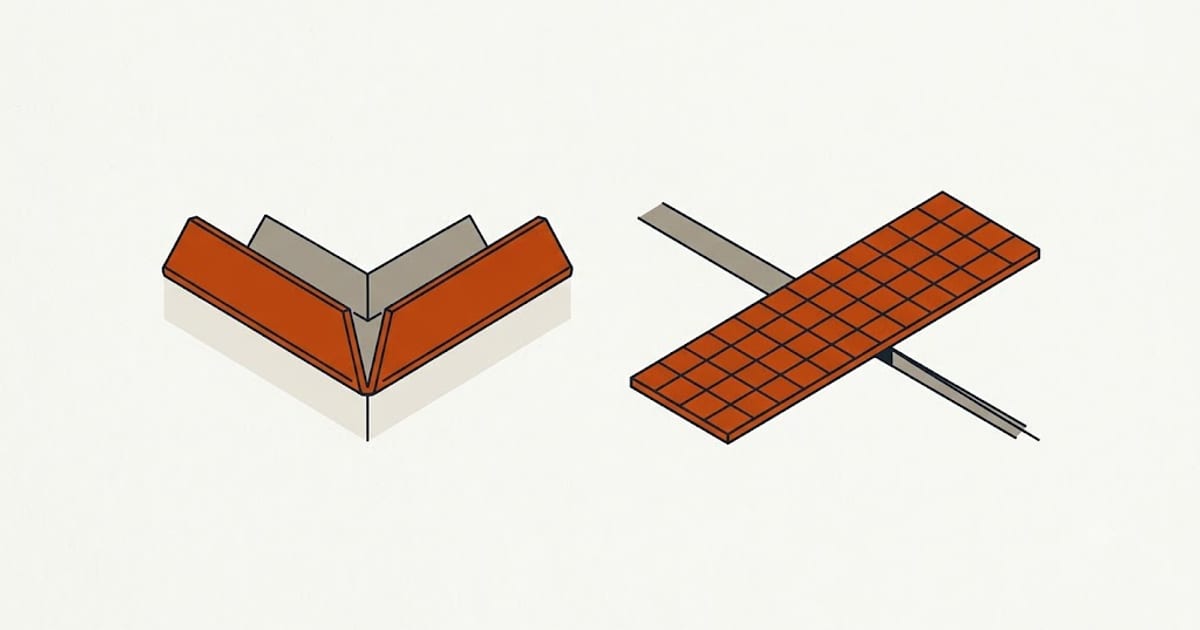 Paper Tape or Mesh — the Rule Is About Which Compound Goes Over It
Mesh tape under ready-mix compound is the single most common cause of cracked joints in DIY drywall, and it looks perfect for about six months.
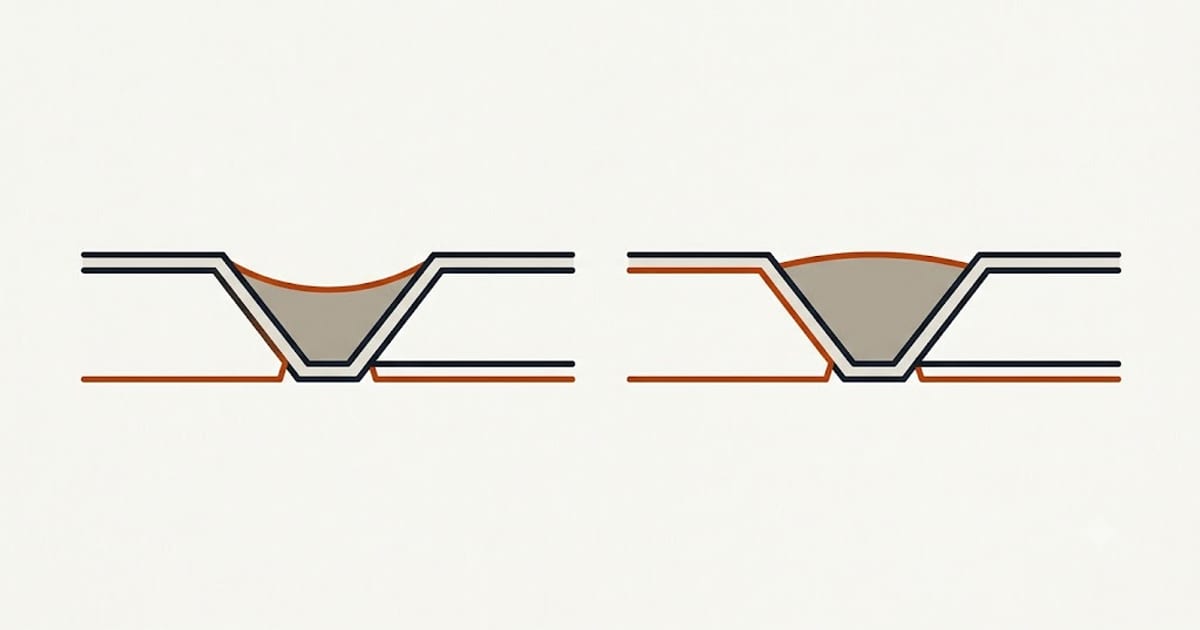 All-Purpose or Lightweight Joint Compound: Where Each One Belongs
Lightweight sands better, shrinks less and dries faster. It also bonds less, which is why the bedding coat is the one place it does not belong.
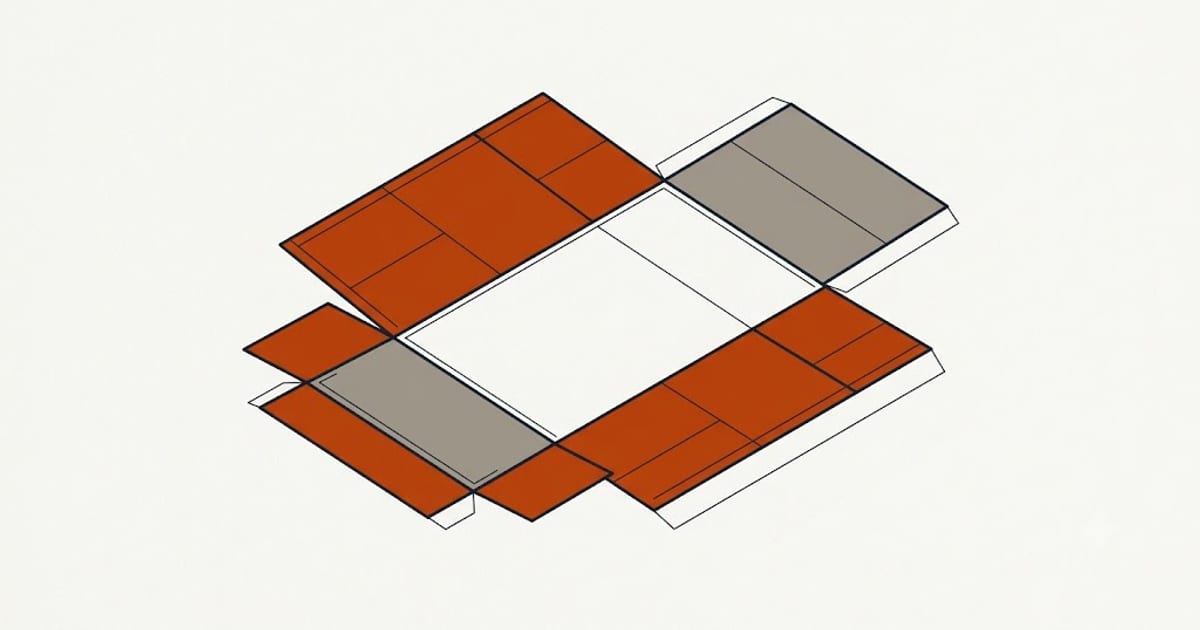 How Much Drywall Tape a Room Takes, and Why It Tracks Joints Not Area
Two rooms of identical area can need forty percent different lengths of tape. The variable is the sheet layout, and it is decided before the first sheet goes up.
 How Much Joint Compound — by Board Area, Not by Joint Length
Compound goes by the area of board, not the length of the joints, and the finish level moves the figure by 40 percent.